A newly painted room draws attention to colour, light and the shape of the space. The result also depends on the surface underneath. When discussing wall finishing, give preparation the same attention as the chosen colour; it can be a substantial part of the work.
Beautiful Cleaning’s archived client profile includes plastering, filling and painting, alongside wallpapering, drywall, partitions and ceiling work in the service catalogue. This provides a useful range of services to discuss when a wall needs more than a fresh coat. Your property’s actual condition still determines the scope.
Describe the existing surface first
Tell the team whether the wall is painted, papered, tiled or newly constructed. Photograph cracks, damaged areas, old fixing holes and places where the covering has come away. Include a wider photograph so each detail can be located in the room.
Do not assume every visible problem has the same cause. A surface defect may be straightforward to prepare, while another area may need further assessment before decoration. Ask what the proposed work addresses and which conditions remain unresolved.
If you know of a previous leak, repair or material change, mention it. The quotation can only be as specific as the information and inspection allow. Covering a mark without discussing why it is present can leave the real issue outside the scope.
Separate preparation from the finish
Ask which tasks are included before painting: removal of existing coverings where needed, filling, surface preparation and any agreed treatment appropriate to the chosen system. Avoid accepting “paint walls” as the entire description if the current surface requires work.
Clarify the intended finish standard with examples or photographs. Discuss areas seen in strong daylight, transitions to retained surfaces and the condition of corners and edges. The wording should be practical enough for you to check against the completed room.
A decorative choice may reveal surface imperfections more clearly than expected. That is a reason to discuss the base and the finish together, rather than deciding the paint in isolation.
Choose colour in the room’s own light
Consider the colour alongside flooring, doors, kitchen units and furniture that will remain. Small samples viewed in a shop or on a screen do not reproduce the whole room. Where possible, evaluate a sample in the property and look at it at different times of day.
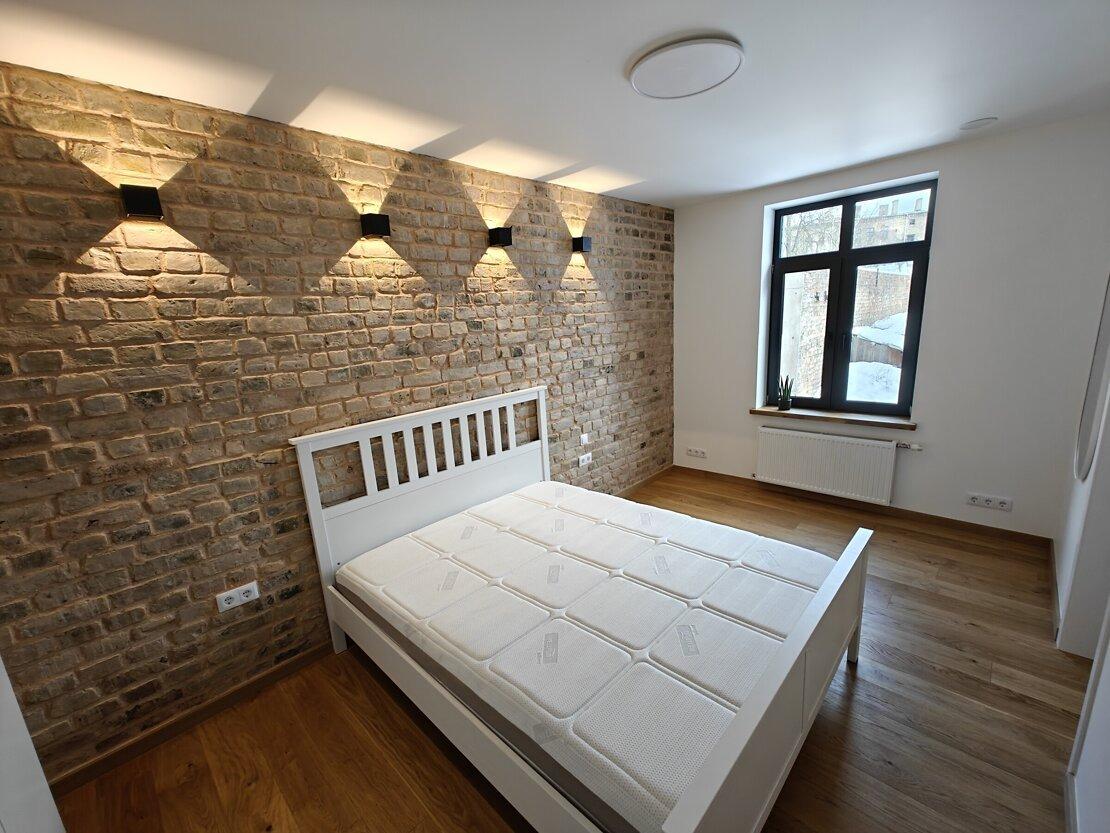
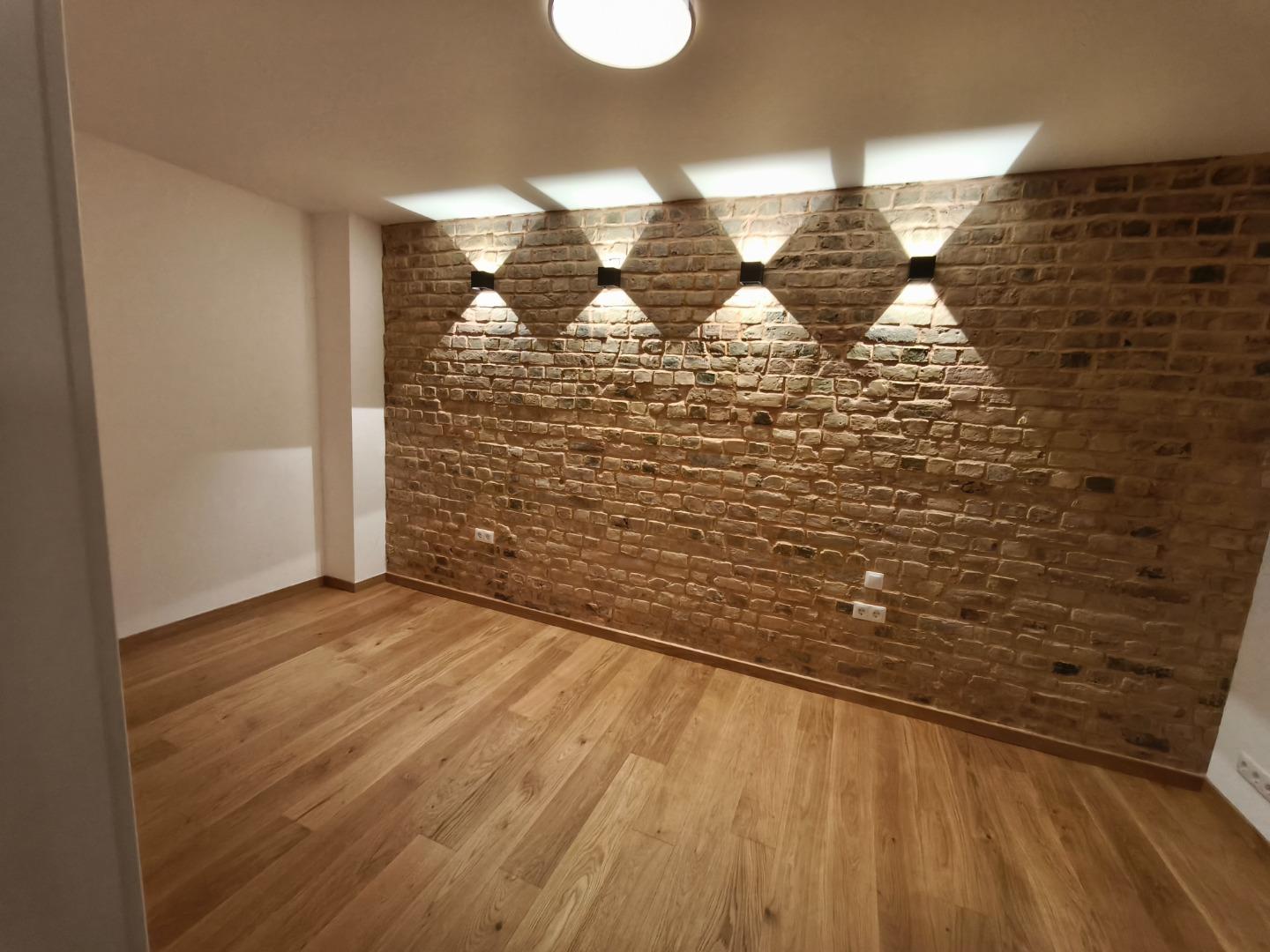
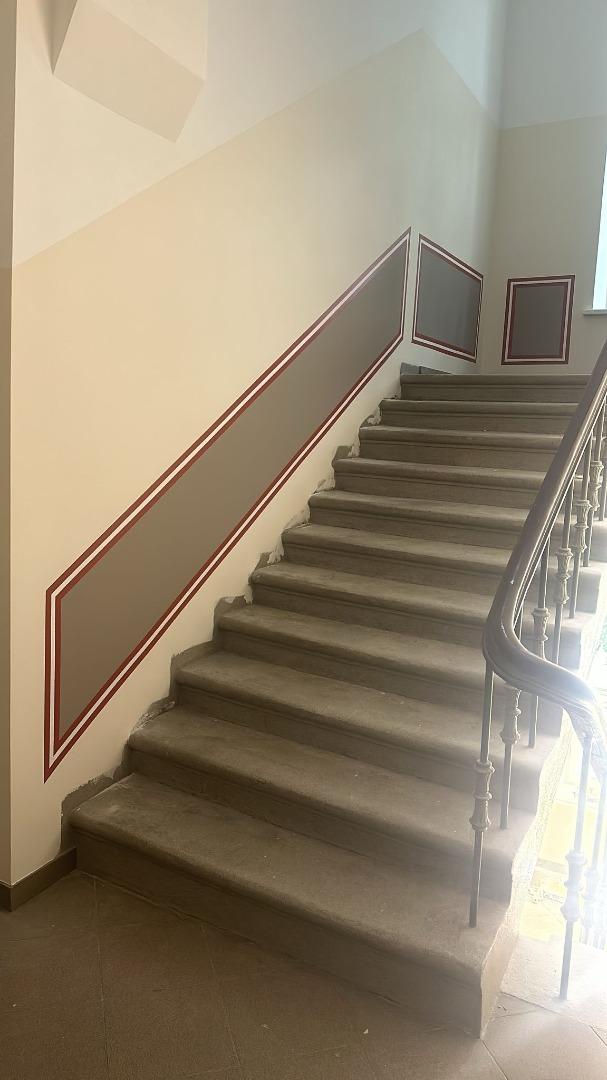
Describe the effect you want: a quieter background, a brighter room or a defined feature wall. The business’s actual renovation projects can help communicate a visual direction without assuming that a photographed finish suits your wall or lighting.
Confirm the particular product and finish with the team before purchase. Care requirements and permitted applications come from the chosen system, rather than from the colour name alone.
Include ceilings, edges and retained details
A wall quotation does not automatically include the ceiling, doors, window details, radiators or decorative elements. Identify each item you want addressed. If some remain unchanged, discuss how the new finish meets them.
The archived catalogue lists separate painting entries for interior work, doors, windows and radiators. That is another reason to describe the tasks individually instead of assuming that one room price covers every surface.
Which walls and ceilings are included?
Are old coverings being removed?
What repair and preparation work is agreed?
Which doors, trims or fittings are retained?
Who supplies paint and preparation materials?
How will furniture and completed floors be protected?
Understand indicative pricing
The archived client catalogue lists interior painting at €12–20 per m². This is indicative pricing from the archive, not a current guaranteed offer. Final pricing depends on size, condition, requirements and complexity.
Ask what the quoted area measures and what the rate includes. Wall area is not the same as apartment floor area. The number of surfaces, openings, preparation tasks and agreed finish all need to be understood before a calculation is useful.
Do not infer a universal number of coats or material allowance from the catalogue figure. Ask for the actual proposal to explain the work and products applicable to your room. A written scope helps you compare quotations fairly.
Plan the work alongside other renovation tasks
If doors, partitions, lighting or floors are changing, discuss the sequence before decoration begins. Work that needs access through a finished wall can affect both the schedule and the appearance. Making those decisions earlier helps define which surfaces will be finished at each stage.
State whether the room will be occupied during work and where furniture can move. Agree access, protection and any areas that must remain usable. These arrangements are part of planning a manageable renovation, not just choosing a convenient date.
See renovation and finishing services if the wall work is part of a wider project, or household repairs for related tasks that need discussion.
Check the handover before the final clean
Inspect the agreed surfaces and details before returning furniture to place. Identify any remaining work with the renovation team, then arrange cleaning at a stage compatible with the product care instructions. Share those instructions with whoever cleans the room.
For the quotation, send room photographs, approximate dimensions, the existing covering, areas of concern and the finish you want. Request a quote with that brief so preparation and decoration can be assessed together. The useful result is a defined scope for your room, rather than an unexplained price for “painting.”